Can You Paint Over Rotted Wood? (Short Answer: Please Don't)
Last Updated: July 16, 2026
Nope. Paint can hide a lot of things, but it can't fix rotted wood. If wood has started to rot, painting over it simply seals the problem underneath and usually leads to bigger (and more expensive) repairs later. We hate to be the bearer of bad news, but the rot needs to be addressed before any paint goes on.
Sure, it would be nice if a fresh coat of paint worked like a magic eraser for home maintenance. Unfortunately, wood rot doesn't care how expensive the paint is or how carefully it's applied. If the wood underneath is failing, the paint is just putting a fresh coat over a problem that's still growing. But we can say more…
Why Wood Rot Is Such a Big Deal
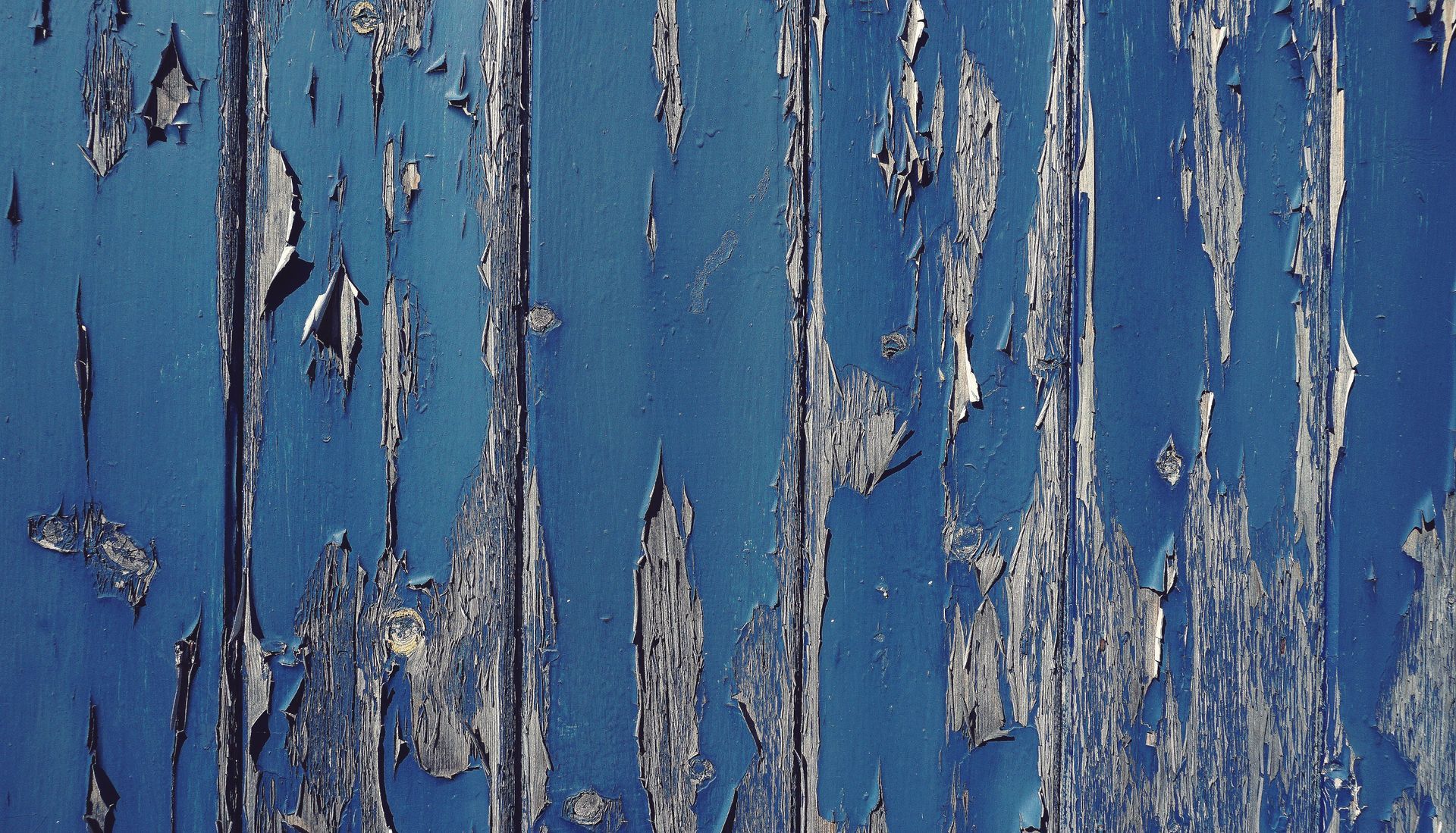
Wood rot happens when moisture sticks around long enough for fungi to break down the wood fibers. Once that process starts, the wood gradually loses its strength. It becomes soft, crumbly, and less capable of doing the job it was originally meant to do. The tricky part is that rot isn't always obvious. Sometimes it's hidden beneath old paint, behind trim, or tucked into areas where water repeatedly collects. Other times it's easy to spot because the paint starts bubbling, peeling, or cracking as the wood underneath deteriorates.
Either way, the paint isn't causing the problem. It's simply reacting to what's happening below the surface.
What Happens If You Paint Over Rot?
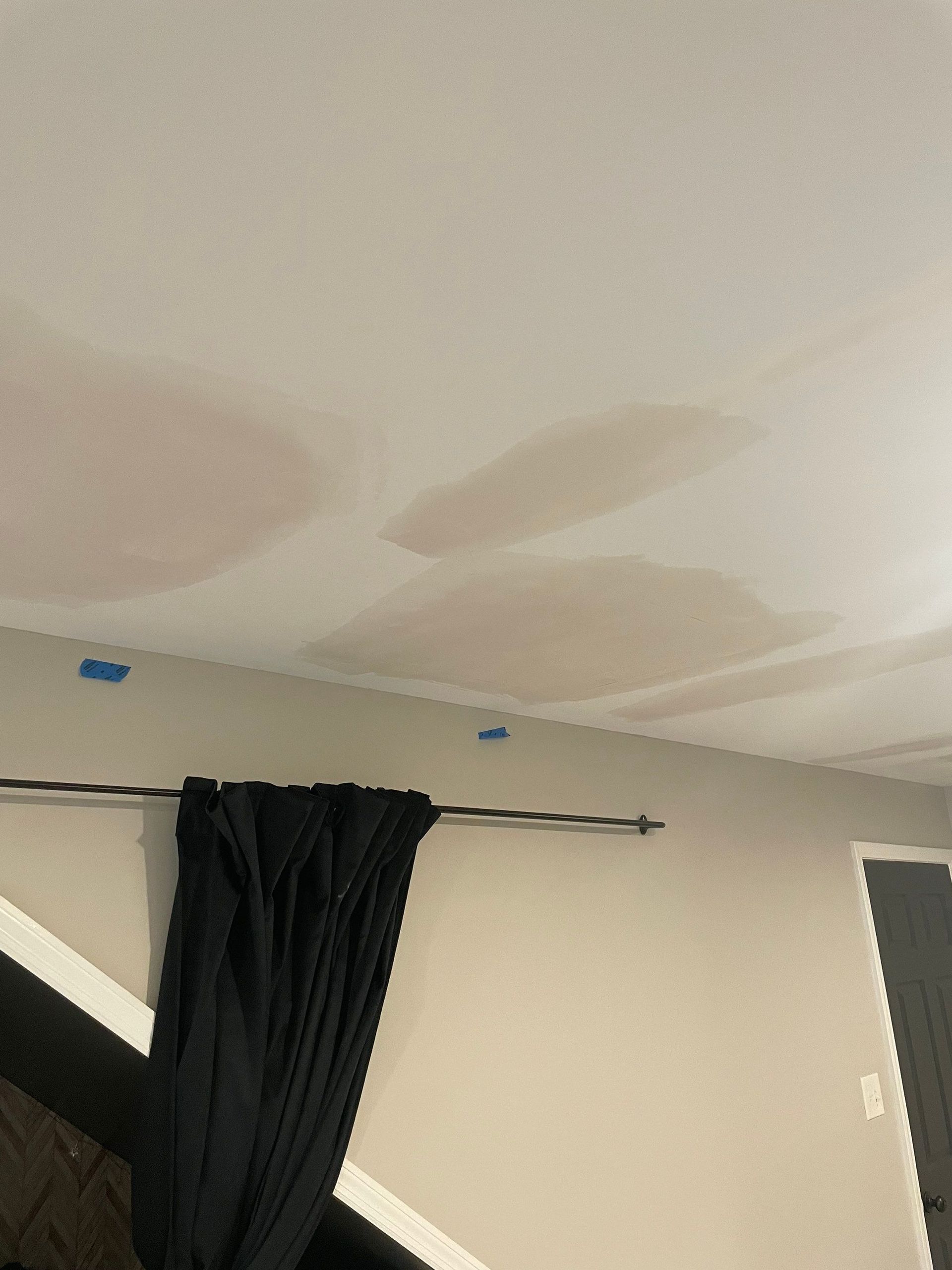
For a little while, everything might actually look pretty good. And that's the dangerous part. Fresh paint can temporarily hide discoloration and minor surface damage, making it seem like the issue has been solved. But underneath, moisture is often still trapped, and the wood continues to deteriorate. Eventually you'll notice things like:
- Peeling or bubbling paint
- Soft spots that get worse over time
- Cracked trim boards
- Water finding its way deeper into your home's structure
- Repairs that become much larger than they needed to be
Can Wood Filler Solve the Problem?
Sometimes.
If the damage is very minor and limited to a small area, an epoxy wood repair system or exterior wood filler may be appropriate after all of the rotted material has been removed. These products can restore small sections that are otherwise structurally sound. But if the board is extensively rotted, soft throughout, or no longer structurally stable, replacement is usually the better option. A good rule of thumb? If you can easily push a screwdriver deep into the wood, there's a good chance it's beyond a simple cosmetic repair.
Why Replacing the Wood Often Saves Money
Nobody gets excited about replacing trim boards. We understand that.
But replacing one damaged board today is often far less expensive than replacing multiple boards, repairing framing, or dealing with water damage later. Rot rarely stays in one place forever. The longer moisture has access to damaged wood, the greater the chance it spreads into surrounding materials. Addressing the source of the moisture, replacing damaged wood when necessary, and then properly priming and painting is your best course.
How to Tell If Your Wood Is Rotting
You don't need to be a contractor to catch early warning signs. Really, all you need is eyes. Look for:
- Paint that's peeling for no obvious reason
- Soft or spongy wood
- Cracks that continue getting larger
- Dark staining around joints or trim
- Areas that stay damp long after it rains
- Wood that flakes apart when lightly probed
These problems are especially common around windows, doors, fascia boards, soffits, deck components, and anywhere water tends to collect.
The Bottom Line
Painting over rotted wood doesn't solve the problem. It simply hides it for a little while.
The real solution is identifying why the wood became wet in the first place, repairing or replacing the damaged material, and then applying a high-quality paint system over a sound surface. That approach takes a little more effort upfront, but it protects your home and helps your next paint job last much longer.
McLain's Painting
At McLain's Painting, we know that a quality paint job starts long before the first brush comes out. Identifying damaged wood, correcting moisture issues, and properly preparing surfaces are all part of helping homeowners protect their investment. If you're planning an exterior painting project and aren't sure whether a board can be repaired or should be replaced, a professional inspection can help you make the right call.
Frequently Asked Questions
Q: Can primer stop wood rot?
A: No. Primer helps paint bond properly, but it cannot stop or reverse rot that's already present.
Q: Can I paint over slightly soft wood?
A: It's not recommended. Even minor softness usually indicates the wood has started to deteriorate. The damaged material should be evaluated and repaired before painting.
Q: Is wood hardener enough to fix rotted wood?
A: Sometimes, but only for small, localized areas where the structural integrity is still intact. Extensive rot usually requires replacing the affected wood.
Q: What causes wood rot in the first place?
A: Moisture is the biggest culprit. Leaking gutters, failed caulking, poor drainage, damaged flashing, and areas that stay wet for long periods all contribute to wood rot.
Q: Should I replace the wood before repainting my house?
A: Yes. Repairing or replacing damaged wood before painting creates a longer-lasting finish and helps prevent future moisture problems.