How Long Will Your Painting Project Take?
Last Updated: May 19, 2026
One of the most common questions homeowners ask before starting a painting project is: “Okay… but how long is this actually going to take?”
It’s a fair question.
Nobody wants to live in a construction zone forever. Even smaller projects can temporarily turn your home into a maze of drop cloths, taped-off rooms, and furniture piled in places furniture was never meant to go. The good news is that most professional painting projects move faster than people expect. The less exciting news is that the answer depends on several factors — including the size of the project, the condition of the surfaces, weather, prep work, and whether your walls have been through “a few things” over the years. Here’s a realistic look at what affects the timeline of a painting project and what homeowners should expect before work begins.
Interior Painting Usually Moves Faster Than People Think
For many standard interior painting projects, the actual painting part is only one piece of the process. A professional crew typically spends a significant amount of time preparing the space first. That can include:
- Moving and protecting furniture
- Covering floors
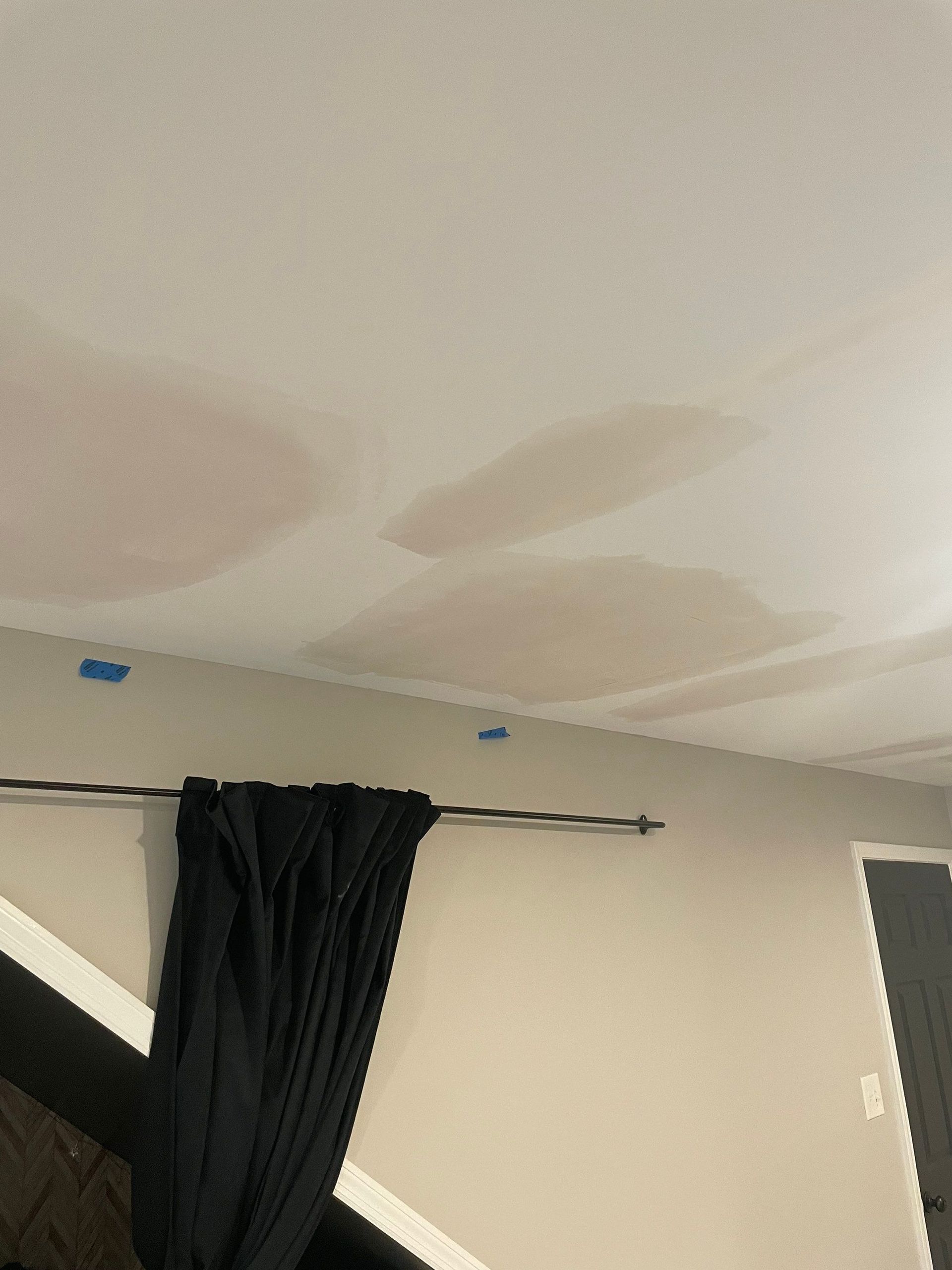
- Repairing drywall damage
- Sanding rough surfaces
- Caulking gaps
- Priming patched areas
- Taping and masking
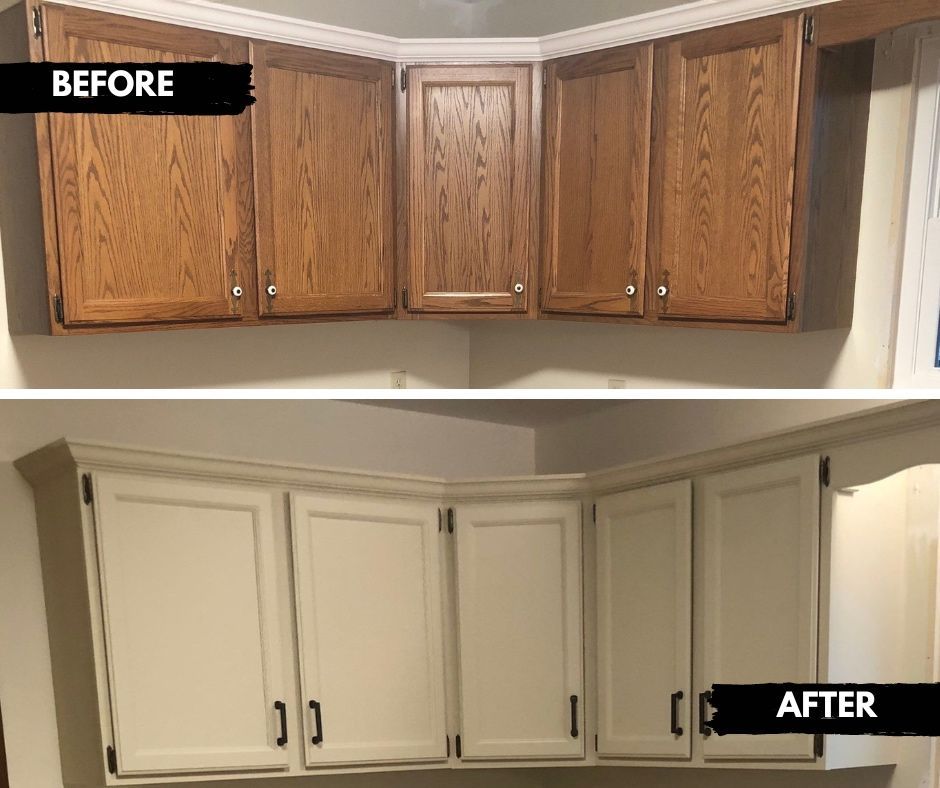
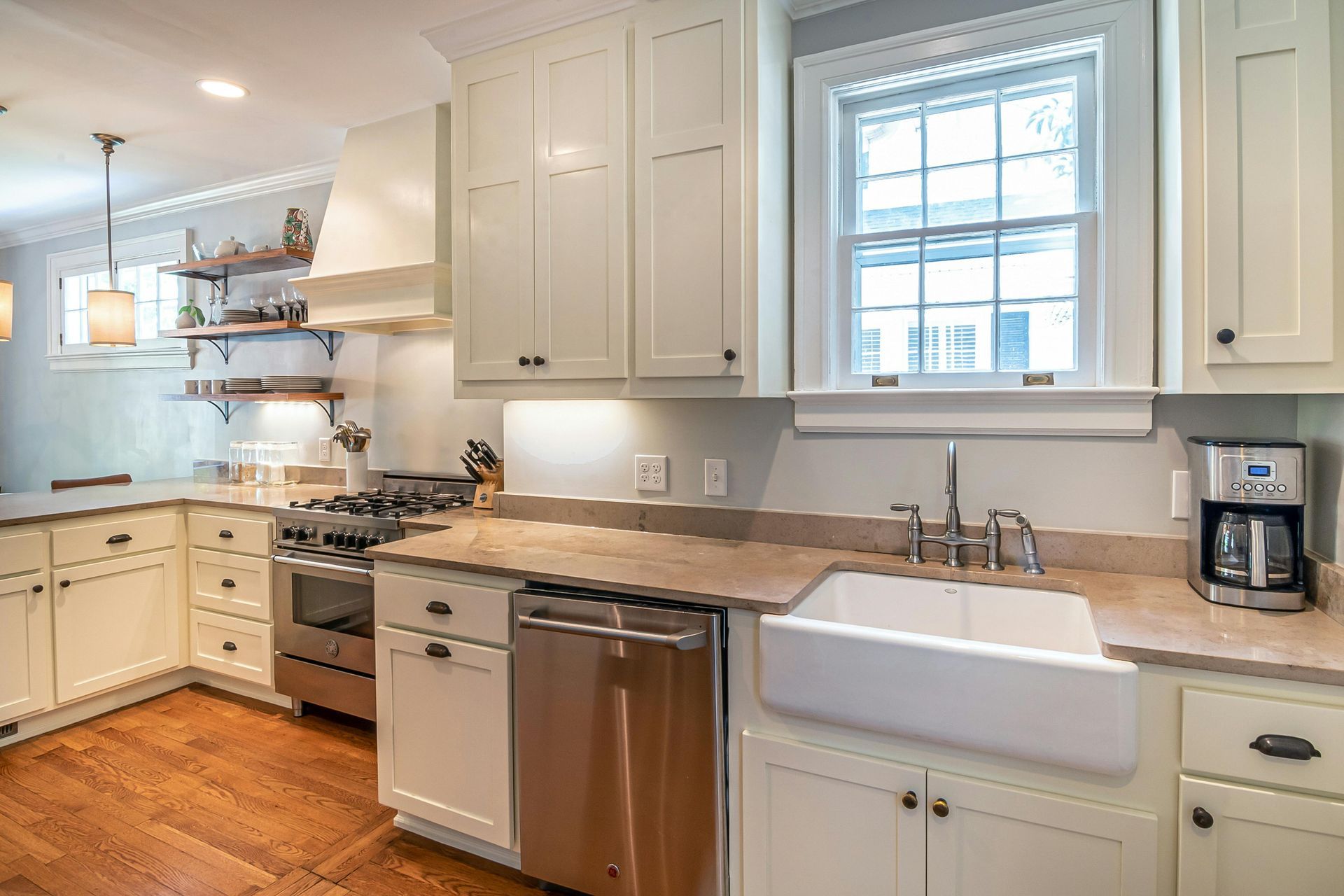
In other words, if you walk into a room and see painters carefully taping trim instead of immediately rolling paint onto the walls, that’s usually a good sign. For a standard bedroom or office, the process may only take a day or two. Larger projects like open-concept living spaces, kitchens, or full-home repaints can take several days to over a week depending on the scope.
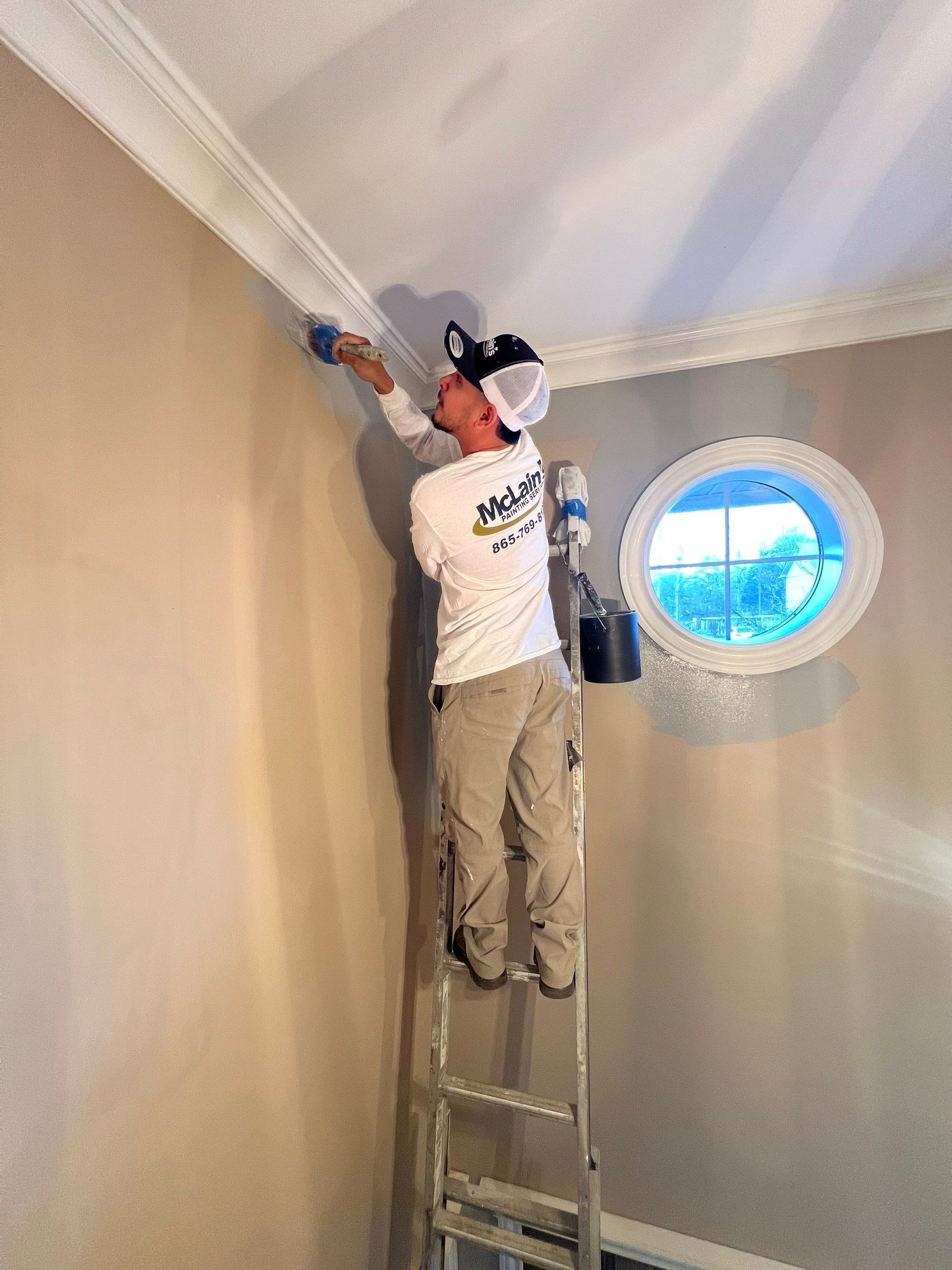
And yes, textured ceilings, vaulted walls, and elaborate trim packages tend to slow things down a little. Your 18-foot foyer wall may look dramatic on Instagram, but it also requires ladders, scaffolding, and a healthy respect for gravity.
Exterior Painting Depends Heavily on Weather
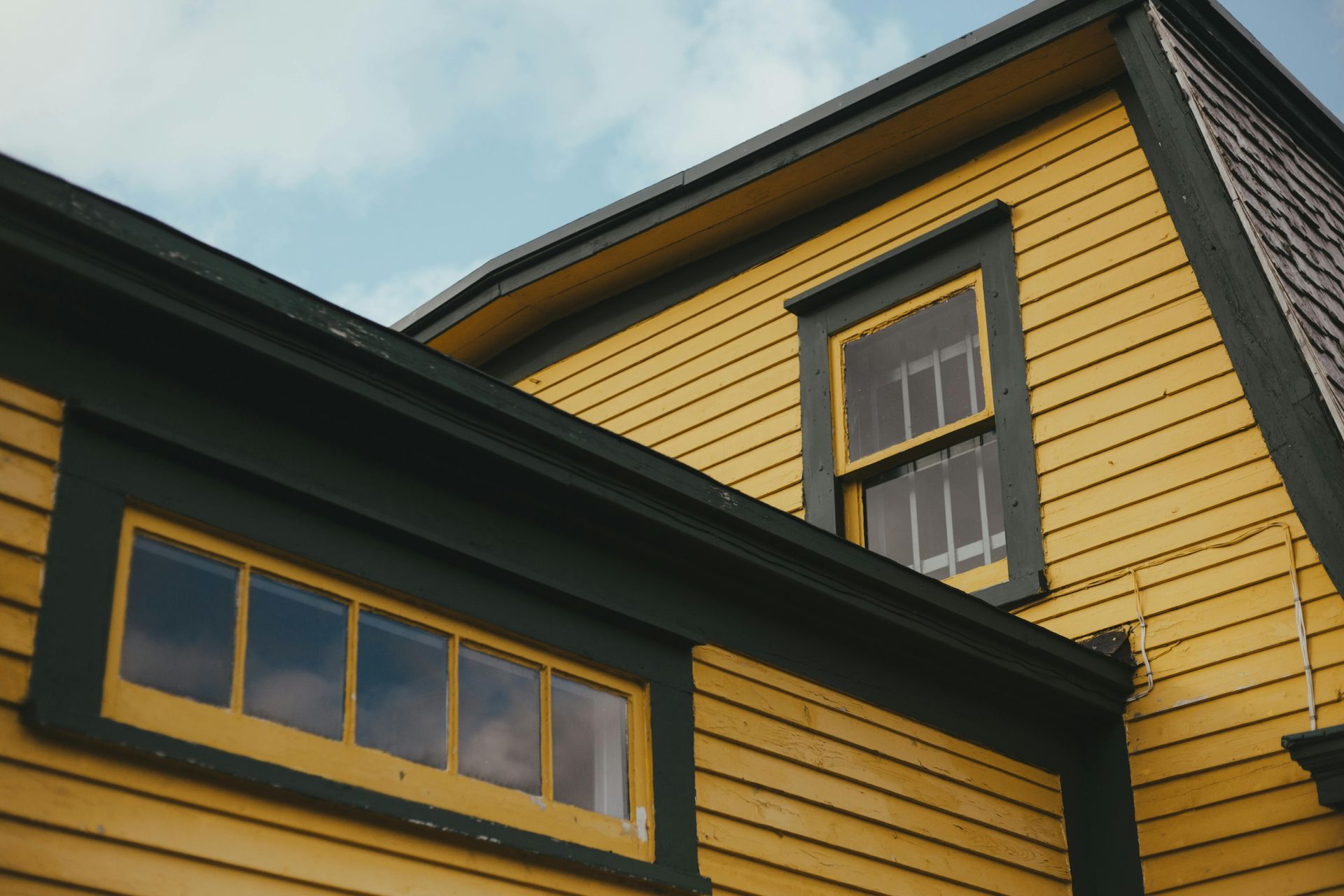
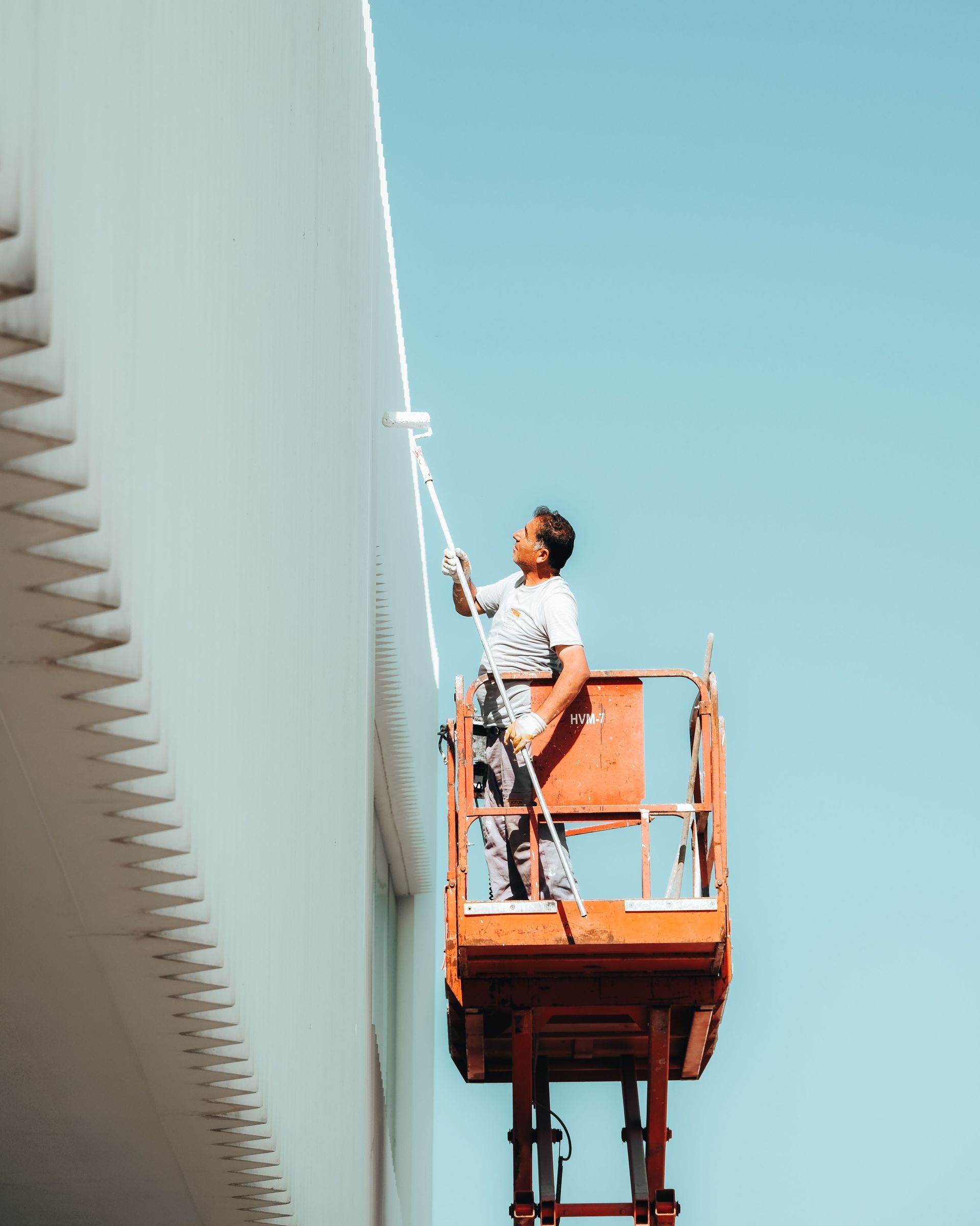
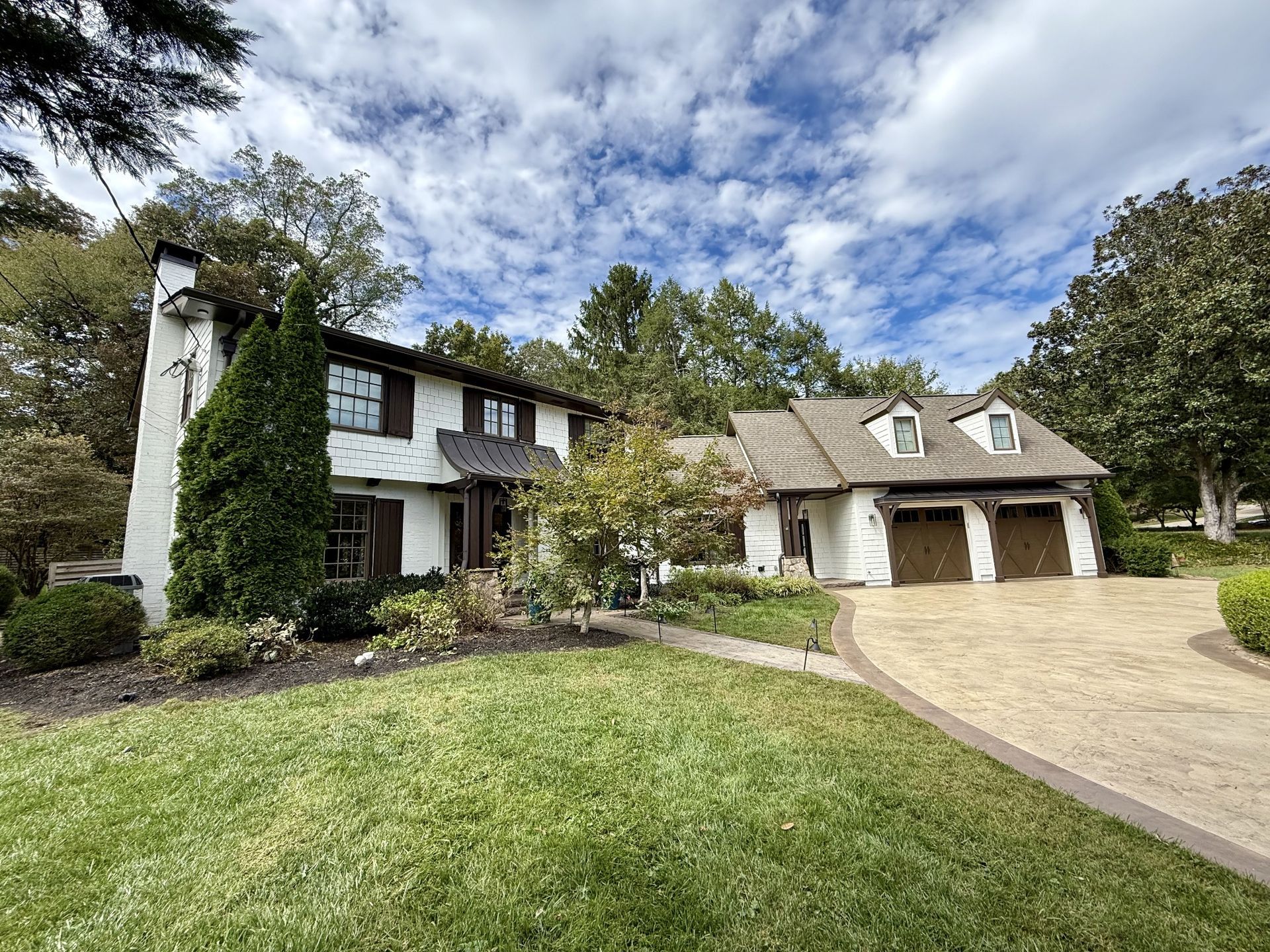
Exterior painting projects can be a little less predictable because weather plays a major role in the schedule. Rain, humidity, temperature swings, and excessive heat can all affect prep work, dry times, and overall product performance.
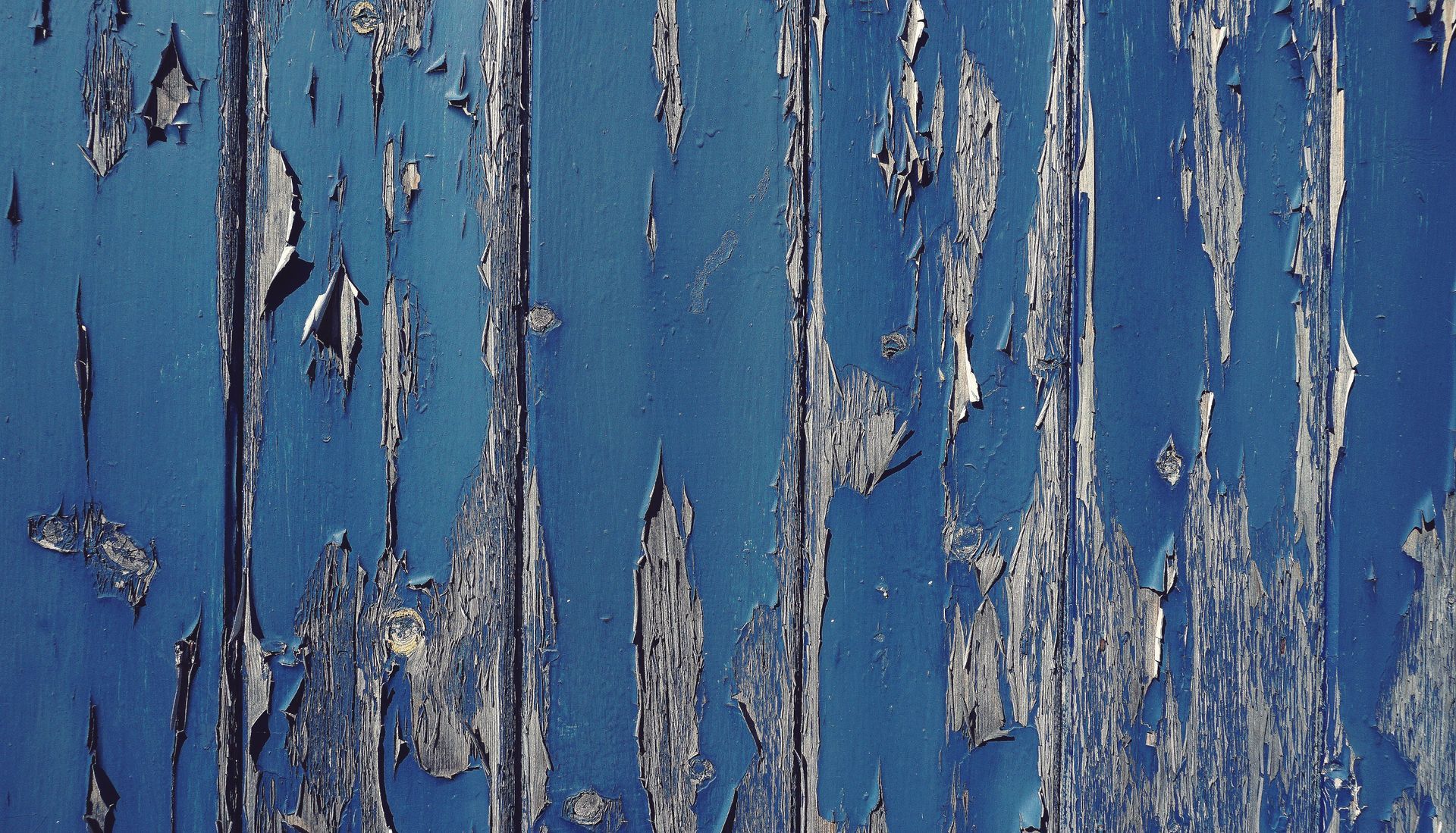
And honestly, prep work outside matters more than many homeowners realize. Before painting even begins, crews may need to wash surfaces, scrape peeling paint, repair damaged wood, sand rough areas, and re-caulk joints. Sometimes homeowners are surprised when the first day or two is spent “just prepping,” but that extra work is often what helps a paint job last much longer.
Repairs and Carpentry Can Add Time, But Usually for Good Reason Too
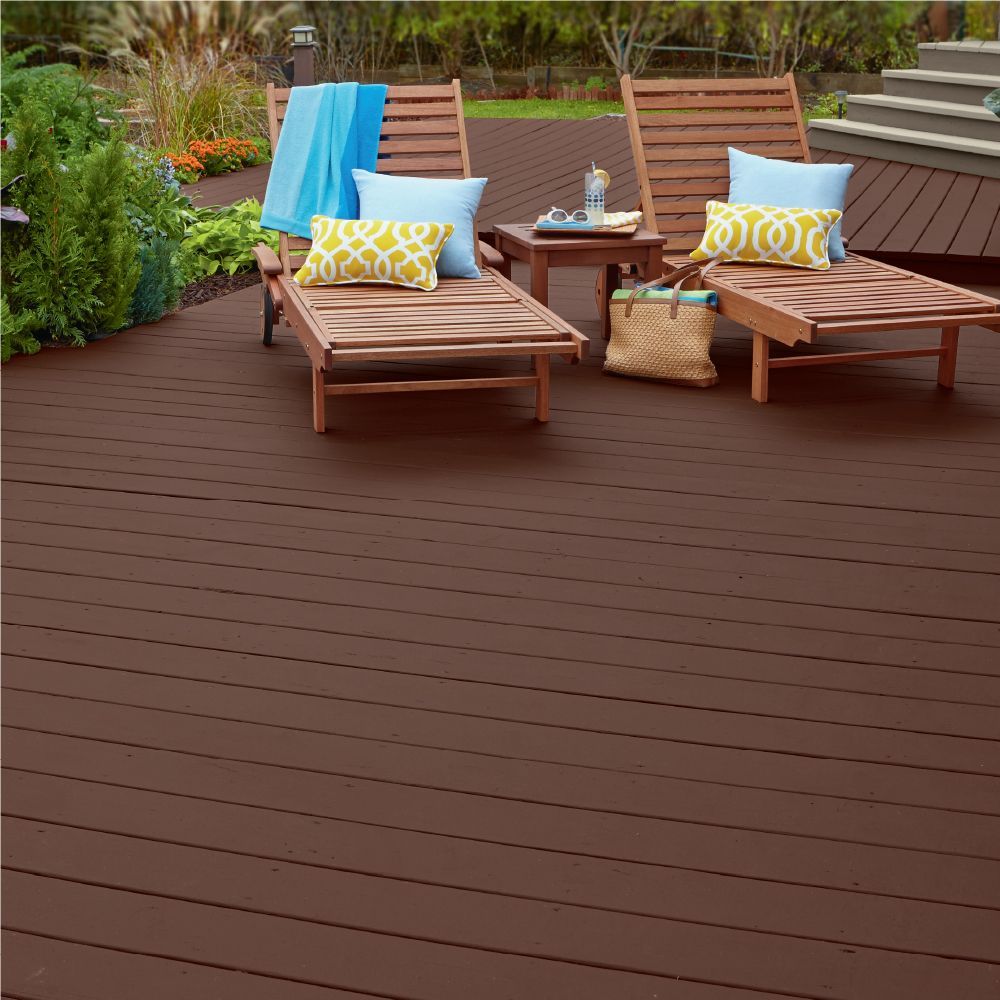
This is especially true with decks, siding, trim, and older homes. Sometimes a project starts as “just painting,” but once surfaces are inspected closely, additional issues appear underneath:
- Soft wood
- Water damage
- Cracked siding
- Loose boards
- Failing caulk
- Structural wear
That doesn’t necessarily mean disaster. It just means the timeline may need to adjust slightly to fix the problem correctly instead of simply painting over it and hoping for the best. This is one reason many homeowners appreciate working with companies that also handle carpentry and repairs. Coordinating multiple contractors often creates more delays than the actual repair itself.
Believe It or Not, Color Choice Matters Too
Color choice can affect project timelines more than many homeowners expect. Going from dark walls to light walls — or the reverse — may require additional coats, specialized primers, and more drying time between applications. Bright whites, deep reds, navy blues, and certain designer colors are especially known for needing extra attention. Unfortunately, paint does not care that you spent two weeks comparing 47 nearly identical shades before making your final decision.
Communication Makes the Entire Process Easier
One of the biggest factors in whether a painting project feels long is communication. Even larger projects tend to feel far less stressful when homeowners understand what’s happening, what comes next, and why certain steps matter. Nobody expects painting to be completely disruption-free, but people do appreciate knowing whether they’ll be able to make coffee in the kitchen tomorrow morning without climbing over ladders to get there.
A good contractor should help set expectations from the beginning by clearly communicating a few key things:
Estimated Timelines:
Homeowners should have a general understanding of how long the project may take and what factors, like prep work, repairs, or weather, could affect the schedule.
Daily Expectations:
It’s helpful to know which areas will be worked on each day, what the crew may need access to, and how the space will be left afterward.
Potential Delays:
Unexpected repairs or weather changes can happen, so clear communication helps keep everyone on the same page throughout the project.

So… How Long Will Your Project Take?
Every project is a little different, but most painting jobs move faster and smoother when the prep work, planning, and communication are done right from the start.
The biggest thing homeowners can do is focus less on speed and more on quality. A few extra days spent prepping, repairing, or waiting for the right conditions can make a huge difference in how long the finished project actually lasts.